

Play & Education
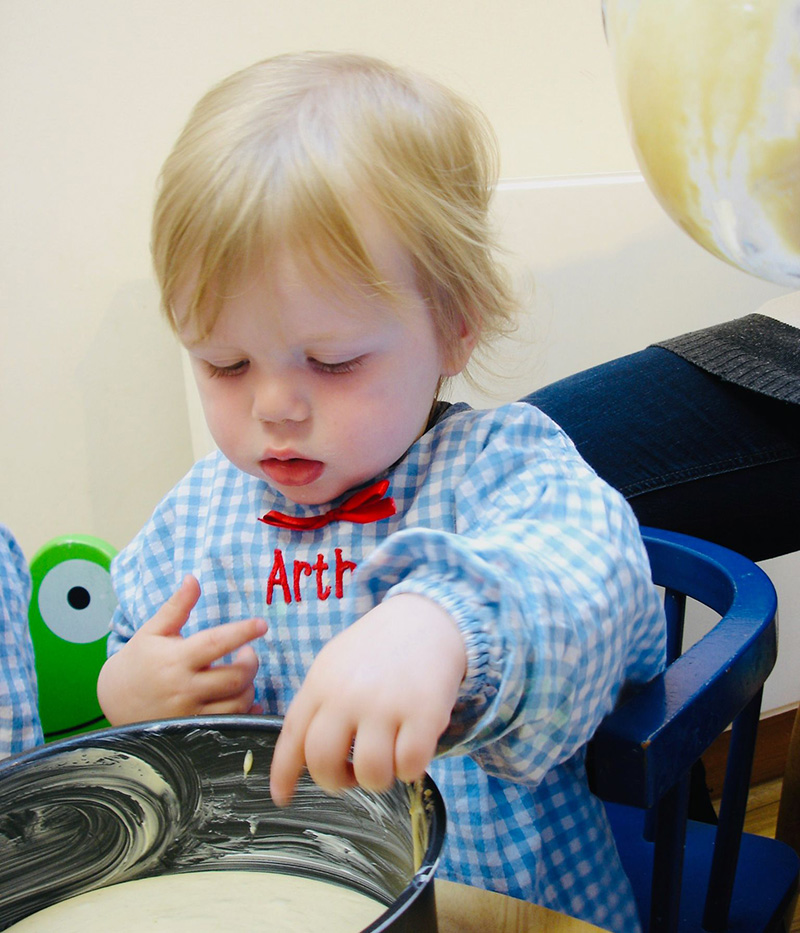
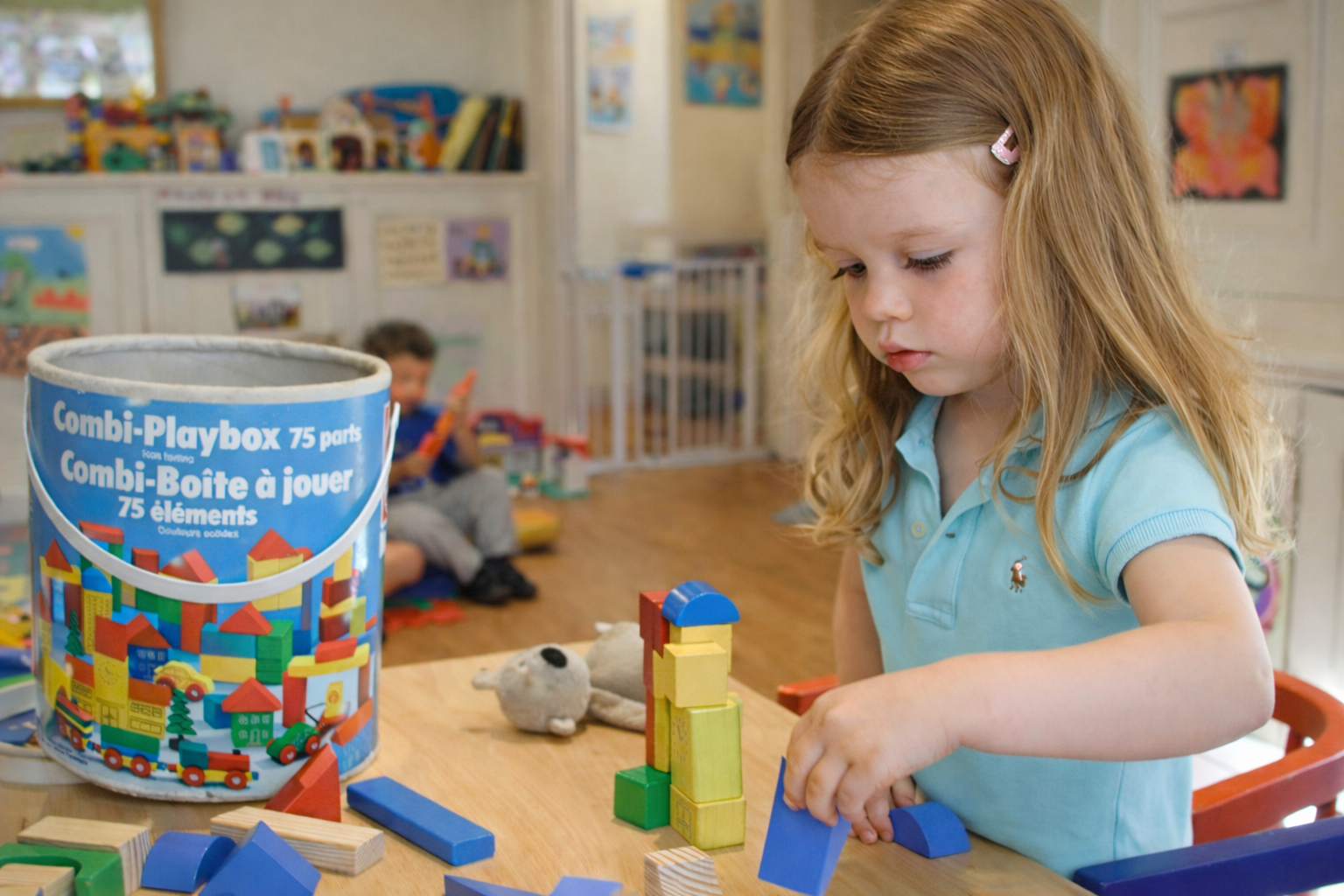
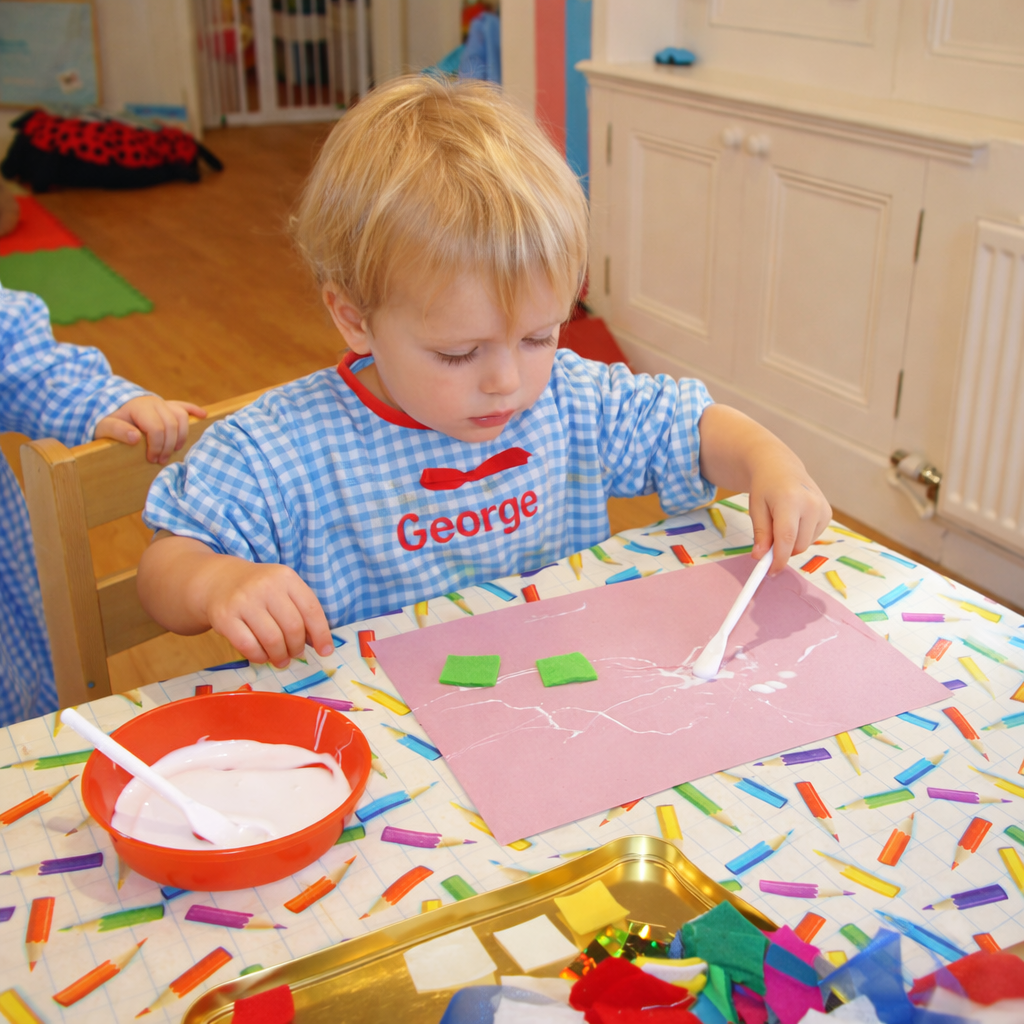
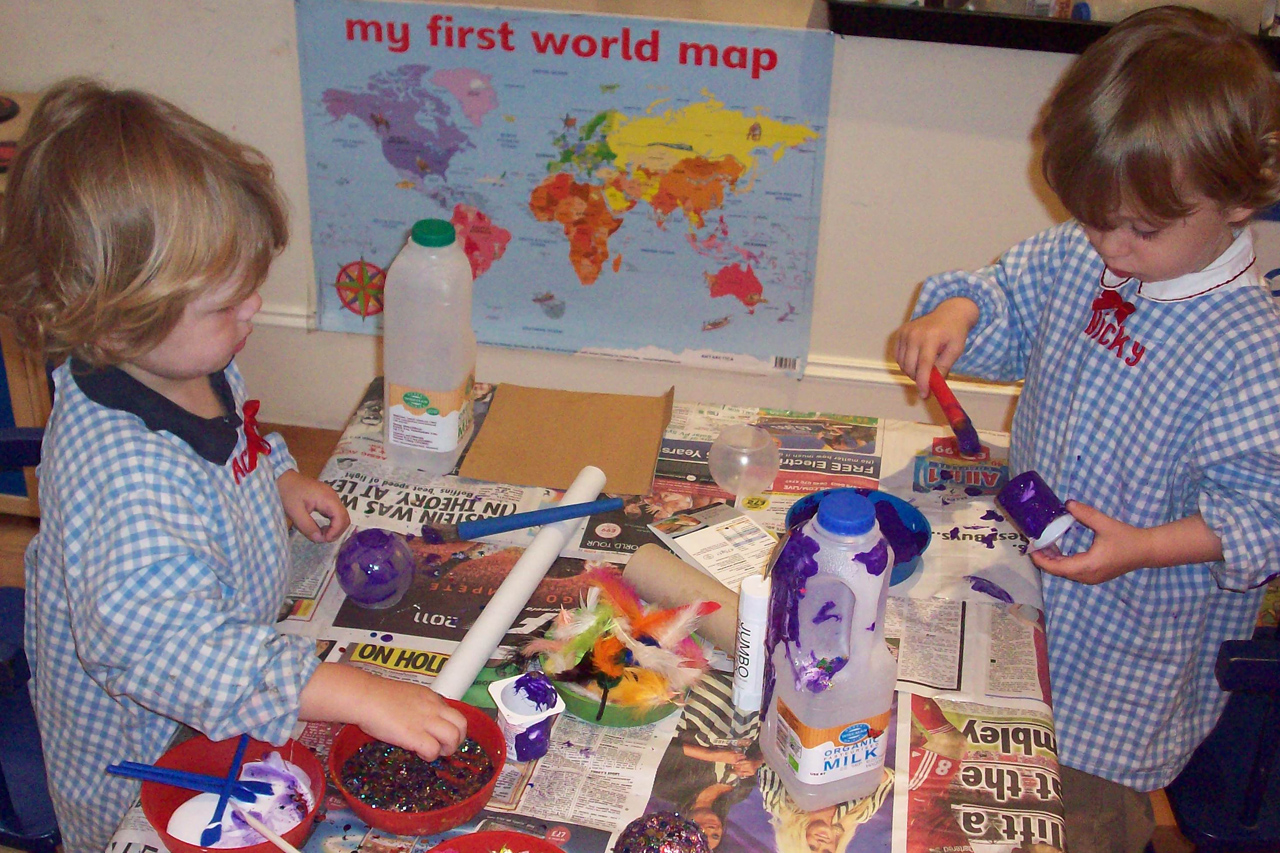
Activities are based around our ‘Topic’ of the term in which the children direct their natural curiosity, for example, Around the World, transport, traditional stories, colour, festivals and the garden. The children will learn through play and through their five senses. Fun activities for example painting, gluing, sticking and imaginary play are organised throughout the week. We follow the government’s, ‘Early Years Foundation Stage’.
Prime Areas
Personal, Social and Emotional development.
Helps children build confidence, manage feeling, and develop positive relationships with others. It supports them to understand themselves, show empathy, cooperate and make responsible choices.
Communication & Language
Focuses on developing children’s listening, attention, understanding and speaking skills. Supporting children to express themselves confidently, build vocabulary and engage in conversations with others.
Physical Development
Helps children improve their coordination, control and movement through both fine and gross motor activities. It also promotes healthy habits and self-care.
Specific Areas
Being Imaginative & Expressive
Supports children to explore and share ideas, feelings and experiences through art, music, movement, role play and storytelling. Encouraging creativity, self-expression and confidence in using different media and materials.
Numbers/ numerical patterns
Focuses on helping children develop a secure understanding of numbers, counting and quantities. Activities include number songs, counting, shapes, sorting, matching and puzzles.
Understanding of the World
To help children make sense of their physical world and community by exploring people, places, technology and the natural environment.
Literacy
To develop children’s early reading and writing skills though a love of stories, thymes and mark making. Pencil marking in preparation for writing. Introduce letters and develop a love of books.
Building Confidence Through Everyday Skills
We encourage practical life skills, for example, serving their friends fruit at snack time, feeding themselves and putting on their coat. This should help the child transfer to school with confidence and happiness. The foundation stage encourages children to be treated as individuals and stresses the importance of adapting activities to each child’s developmental stage. So that children are gently encouraged to progress to their next stage. (For example, learning how to paint a picture or kick a ball.)